Commercial hygiene experts located in Brampton ensure food service establishments, food distribution facilities, baking enterprises, warehouses, and food service vehicles to sanitation standards. They treat frequently handled areas, food-contact areas, equipment, floors, drains, restrooms, and preparation zones using approved sanitizers, in correct dilution, and with verified times.
Essential Summary
- Sanitation professionals in Brampton cater to restaurants, grocery departments, commissaries, warehouses, bakeries, schools, mobile vendors, and allergen-sensitive operations.
- Cross-contamination elimination is accomplished by sanitizing high-touch surfaces, food-contact equipment, kitchens, floors, drains, restrooms, and storage areas with sectional methods.
- Logging of completion through samples, assessments, and remedial documentation confirms qualified vendors have checked approved sanitizer dilution, appropriateness, and exposure duration.
- Hygiene schedules need to adhere to threat, throughput, changeovers, incidents, and standards, with routine, weekly, and cyclical activities distributed by location.
- Protection, color-coded tools, hazard analysis knowledge, public-health competency, WHMIS education, testimonials, and compliance-ready maintenance records are essential supplier characteristics.
Food Safety Cleaning Requirements for Brampton Venues
Brampton establishments that handle, store, prepare, package, or serve food require food sanitation. Implement it if your establishment is covered by health reviews, food regulations, or HACCP protocols. The rule covers dining establishments, employee cafes, food distributors, market sections, meat shops, fish counters, local shops, and commercial kitchens.
You'll furthermore need compliant food safety cleaning in storage centers, processing facilities, refrigerated warehouses, bakery retailers, school nutrition programs, event halls, and delivery centers. Seasonal and mobile ventures are included, examples being food trucks, event sellers, and temporary stalls. When your staff handle raw materials, divide prepared dishes, warm finished meals, or maintain allergen storage, your establishment requires documented cleaning protocols. In Brampton, cleanliness stays necessary; it constitutes regulatory, business, and safety adherence.
What Do Brampton Cleaning Experts Clean?
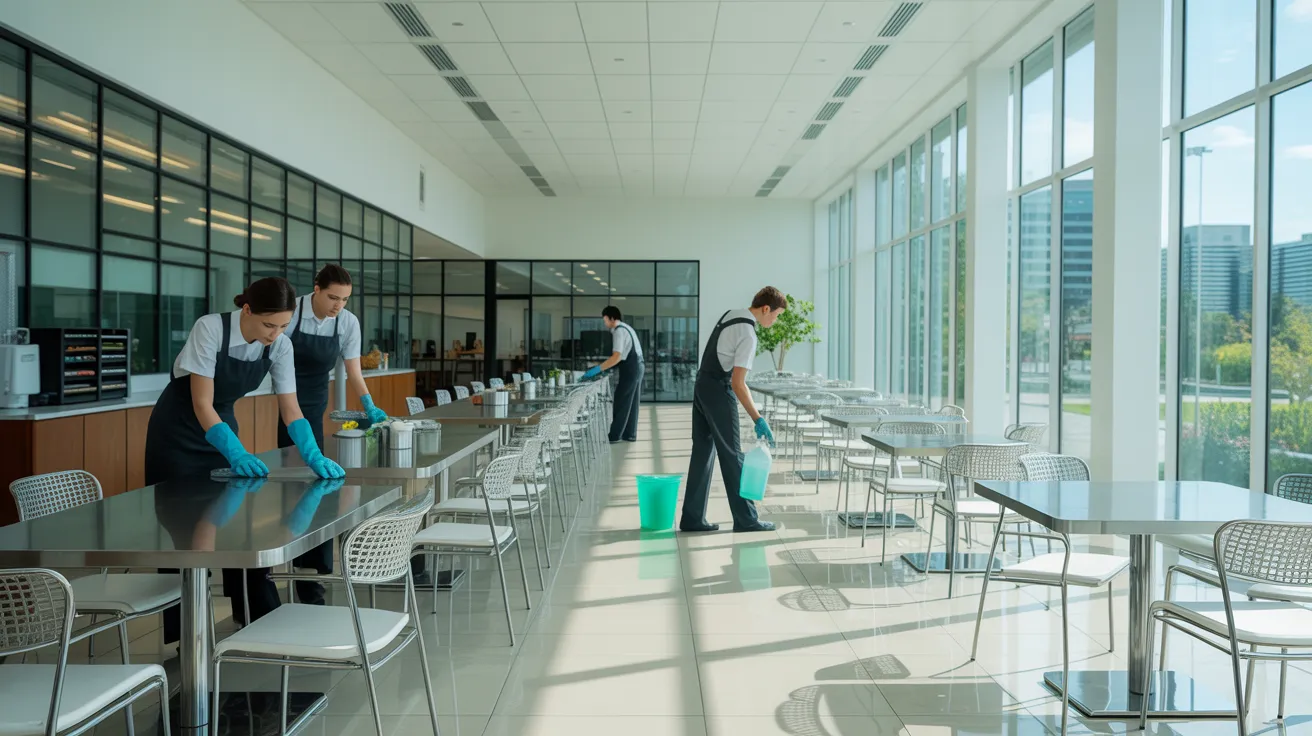
Professional cleaning teams specializing in Brampton sanitize touched surfaces, food preparation areas, floors, and restrooms in compliance with food safety regulations. Emphasis on these spaces stems from extreme cross-contamination risk, potential for accidents, and compliance issues.
When you know their cleaning scope, you can ensure your operation's cleaning procedures satisfy operational and regulatory requirements.
High-Touch Surface Disinfection
develop a sanitizing protocol
By changing cloths, maintaining unidirectional systems, and organizing cleaning supplies according to section, you keep a documented, defensible, and inspection-ready cleaning protocol.
Kitchen Areas, Floor Surfaces, and Bathroom Spaces
Brampton cleaning professionals will address kitchens, floors, and restrooms since each space presents different hygiene concerns, injury, and public health challenges. In industrial kitchens, you need grease removal from cooking stations, appliance surfaces, drain systems, preparation areas, and backsplashes to minimize contamination and pest pressure.
Floor care that is recorded should also be anticipated. Technicians scrub and extract buildup from grout, tile, and vinyl flooring, then apply proper moisture management so you can reduce slip incidents and maintain code-compliant conditions. They also address entry points where dampness and dirt enter the building.
Restroom sanitation involves disinfecting touchpoints, fixtures, partitions, dispensers, and waste containers, restocking supplies and controlling odours. They also service restaurant moprooms, where chemical storage, sink hygiene, and drainage conditions can affect sanitation compliance and staff safety daily.
How Food Safety Cleaning Benefits Brampton Operations
In Brampton, you must maintain sanitary cleaning practices to satisfy regulatory standards and pass inspections. You also reduce bacterial spread through proper cleaning of food-preparation surfaces, appliances, and frequently-touched items. Most importantly, you safeguard public health by lowering the risk of foodborne illness in your facility.
Sanitary Standards Adherence
Since Brampton food companies must follow rigorous sanitary regulations, your food safety cleaning directly determines your capability to fulfill health codes, safeguard diners, and eliminate regulatory penalties. You must maintain hygienic food handling zones, documented cleaning schedules, proper chemical use, and documented employee protocols that align with municipal and provincial inspection expectations.
Diligent hygiene practices enables allergen reduction by minimizing residue on joint machinery plus regularly touched locations. If your cleaning standards deteriorate, you risk infractions, remedial directives, public perception damage, and possible interruption to service during further inspections or enforcement reviews.
Contamination Prevention
Meeting regulatory requirements also depends on your capacity to stop cross-contamination during routine food preparation and sanitation. You must keep raw items away from prepared dishes, sanitize prep surfaces between tasks, and keep cleaning products separate from food areas. Clear procedures reduce transfer risks and ensure ongoing adherence to health checks.
You should establish allergen separation to prevent major allergens from touching common work areas, storage bins, or tools. Use dedicated cutting boards, color-coded tools, and strict utensil labeling so employees avoid combining products during preparation or service. Mandate washing hands following raw meat, seafood, eggs, or allergen-containing products. Change cleaning rags frequently, and check disinfectant potency using test kits. When you train staff to follow these controls every shift, you create a cleaner, safer operation that satisfies Brampton's safety standards daily.
Public Health Protection
When sanitation efforts deteriorate, you don't only face inspection setbacks—you raise the likelihood of foodborne illness striking customers, staff, and the larger Brampton community. You also weaken your role in protecting public health, especially in busy food facilities where contamination can spread quickly through surfaces, equipment, and touchpoints.
You need cleaning protocols that remove soils, sanitize correctly, and confirm effectiveness. That means following exposure periods, employing authorized sanitizers, recording cleaning times, and educating employees to meet health-unit expectations. These measures facilitate pathogen reduction by reducing pathogens before they reach food or hands. In Brampton, rigorous cleaning protects vulnerable populations, limits outbreak potential, and enables you to show due diligence. When you maintain proper standards, you don't just meet regulations—you substantially decrease danger and promote secure food handling citywide.
How Can Cleaning Practices Ensure Food Safety Compliance?
Maintaining comprehensive cleaning schedules supports food safety compliance by minimizing contamination hazards, preventing pathogen multiplication, and keeping your facility meeting sanitation requirements under HACCP-based programs and public health regulations. You verify that contact surfaces remain visibly clean and microbiologically controlled, backing documented preventive controls and inspection readiness.
Systematic cleaning also reinforces allergen control by removing residues that can lead to undeclared allergen exposure. When you integrate validated sanitation procedures with standards training, your staff can execute standardized methods, handle approved chemicals properly, complete records thoroughly, and manage deviations prior to escalation occurs. Ongoing cleaning enables traceability, confirms corrective steps, and demonstrates accountability in audits. Additionally, it assists you protect product integrity, preserve regulatory compliance, and reduce the likelihood of enforcement actions, mass recalls, grievances, and unnecessary health hazards.
How Ought You Arrange Commercial Cleaning Work?
cleaning routines or between work periods wherever food-contact areas, bathroom facilities, and frequently touched surfaces
Occasional tasks need to be scheduled separately
How Do You Choose Brampton Cleaning Experts?
Screen providers initially by their food-safe sanitation requirements—not budget alone. You need to confirm that every company meets CFIA, public health, and HACCP-aligned expectations for your operation. Demand insurance verification, WHMIS compliance, training records, and management systems. Evaluate technician understanding of cross-contamination risks, chemical safety, and documented sanitation practices.
You should further examine operational reliability and answerability. Request references from food facilities in Brampton, then review response times, corrective action plans, and communication standards. Validate the company facilitates supplier audits and can present inspection-ready documentation to regulators or third parties. Confirm equipment is maintained, color-coded implements are applied correctly, and site-specific hazards are identified. A experienced service protects compliance, product quality, and your reputation in the market.
What does a Food Safety Cleaning Plan consist of?
Develop a written strategy that clarifies every sanitation task, standard, and responsibility before production begins. You should outline cleaning frequencies, approved chemicals, dilution rates, contact times, tools, and verification methods for each location, surface, and apparatus. Include pre-operational inspections, corrective actions, and employee training requirements.
Your plan should also include cross-contamination prevention, waste disposal, pest management measures, and scheduled documentation for bathrooms, drainage, ground surfaces, and food-handling zones. Clarify how you'll separate raw and ready-to-eat processes, help with ingredient tracking, and maintain accurate allergen labeling through validated cleaning between product changes. You should define accountability, preserve signed records, and check results against regulatory standards, HACCP controls, and customer requirements. When gaps appear, revise procedures immediately and re-educate staff.
Frequently Posed Questions about the Plan
Can cleaning services support nighttime operations in Brampton facilities?
If you operate controlled facilities, you'll also require records that enable audits and maintain compliance.
Can Brampton cleaning experts handle emergency spill response?
Yes, you can find Brampton cleaning experts to provide emergency spill response services. They manage hazardous materials, assess risks, contain contamination, and start rapid decontamination to reduce exposure and business interruption. You should verify arrival timeframes, training certifications, PPE protocols, and disposal procedures. If your facility must comply with industry standards, select a service that documents incidents, follows compliant sanitation standards, and enables compliance verification.
Will green disinfectants clean safely food preparation areas?
Absolutely, eco-friendly disinfectants can be suitable for food-contact surfaces when you select solutions certified for food use and regulatory compliant. You must confirm exposure duration, dilution rates, and rinsing needs in advance of use. Plant based formulas minimize toxic chemical contact, though you must obtain confirmation of performance against relevant pathogens. For maintaining residue free surfaces, follow manufacturer directions precisely and confirm the sanitizer satisfies relevant food safety standards.
Do cleaning plans allow for seasonal shifts?
Yes, you can customize useful guide cleaning plans for production fluctuations. You should modify timing, personnel, disinfectants, and testing procedures to align with seasonal workflows while sustaining regulatory requirements. You'll lower production interruptions by timing sanitization around production shifts, high demand periods, and usage patterns. You should additionally revise written procedures, staff education, and monitoring protocols to account for transient threats, new allergens, or higher contamination levels. Regular reviews ensure your program current.
Will commercial cleaners teach your staff on hygiene best practices?
Absolutely, commercial cleaners regularly deliver staff training on hygiene standards. Your staff gets training on correct chemical handling, contact times, contamination avoidance, machine takedown, and documentation. They typically align guidance with HACCP, GMP, and CFIA or local public health standards. Many conduct sanitation audits to ensure adherence, identify gaps, and strengthen corrective measures. This helps you maintain uniform standards, clear audits, and reduce food safety risks consistently.
Final Thoughts
Through engaging Brampton commercial cleaning and food safety experts, you accomplish much beyond organizing—you ensure your facility for inspections and your standards meet requirements. From kitchen spaces to processing areas, all clean areas and kept corners help prevent pest problems and prevent significant costs. Through booking service at proper intervals and sticking to a solid cleaning plan, you ensure protection for employees, your patrons, and your good name. In a tightly controlled regulatory landscape, proper sanitation cannot be considered optional—they represent good business practice.
Comments on “Trusted Brampton Sanitation Services”